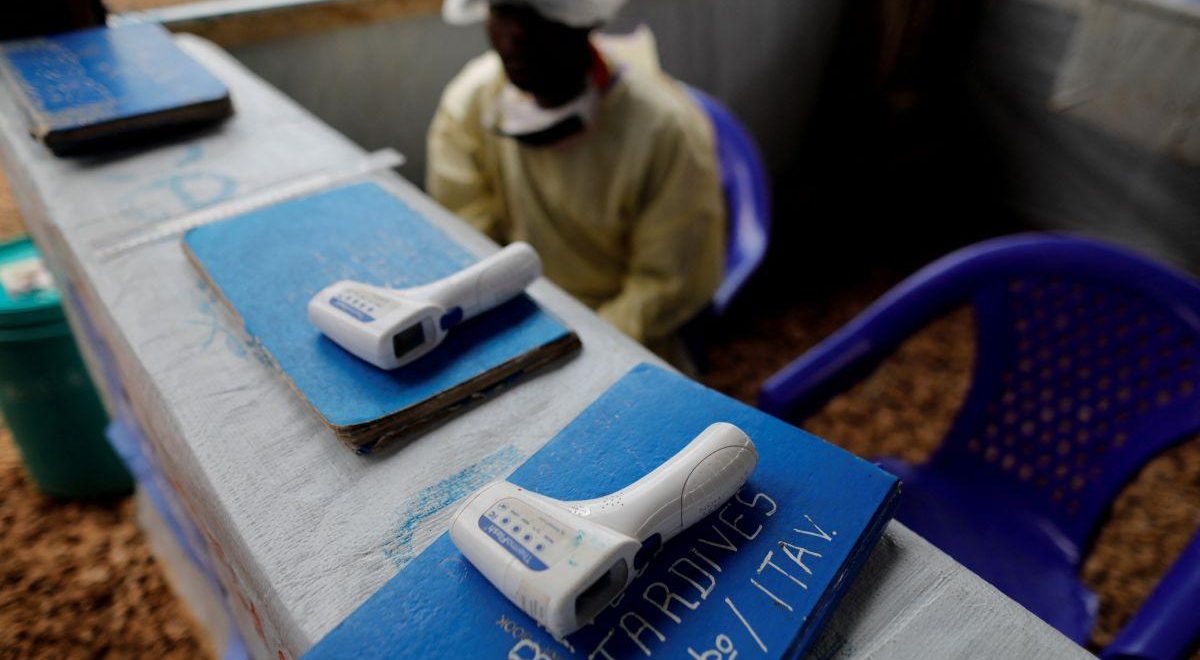
The World Health Organization (WHO) has declared the Ebola outbreak in the Democratic Republic of the Congo (DRC) and Uganda a public health emergency of international concern (PHEIC) [1][2]. The outbreak is caused by the Bundibugyo virus, a rare variant of the Ebola virus [1][2].
In the DRC’s Ituri province, approximately 246 suspected cases have been reported, with eight laboratory-confirmed cases and around 80 suspected deaths across at least three health zones: Bunia, Rwampara, and Mongwalu [1][3]. In Uganda, two laboratory-confirmed cases, including one death, have been reported in Kampala among individuals who traveled from the DRC [1][4].
The WHO emphasized that while the situation is serious, it does not meet the criteria for a pandemic emergency as defined under the International Health Regulations (2005) [1][4].
What Is Known
The outbreak is primarily affecting the Ituri province in the DRC, with a significant number of suspected cases and deaths [1][3]. The Bundibugyo virus is identified as the causative agent [1][2]. Uganda has reported cases linked to travel from the DRC [1][4].
What Remains Unclear
The exact number of deaths among healthcare workers has not been confirmed [2]. The potential for further international spread remains uncertain, although the WHO has not classified the outbreak as a pandemic [1][4].
This article was generated by Bluxle's AI system based on research from multiple news sources. All facts are sourced and cited below. The AI is designed to be neutral and fact-based with no editorial opinion.

Sources & Citations
Weighted by citation frequency — sources cited more often carry greater influence.
Research Basis
Outlets in bold were actively consulted during research for this article. Others are in our standard monitoring pool.
Report an Issue
Tell us what you noticed. Our editors will review it.
✓ Report received. Thank you!