UK Prime Minister Keir Starmer is facing mounting pressure to resign after the Labour Party suffered significant losses in the May 7 local and regional elections. The party lost over 1,100 council seats in England and control of several long-held local authorities, as well as power in Wales after 27 years. In contrast, Reform UK gained over 1,300 seats, making significant gains in Wales and Scotland [1].
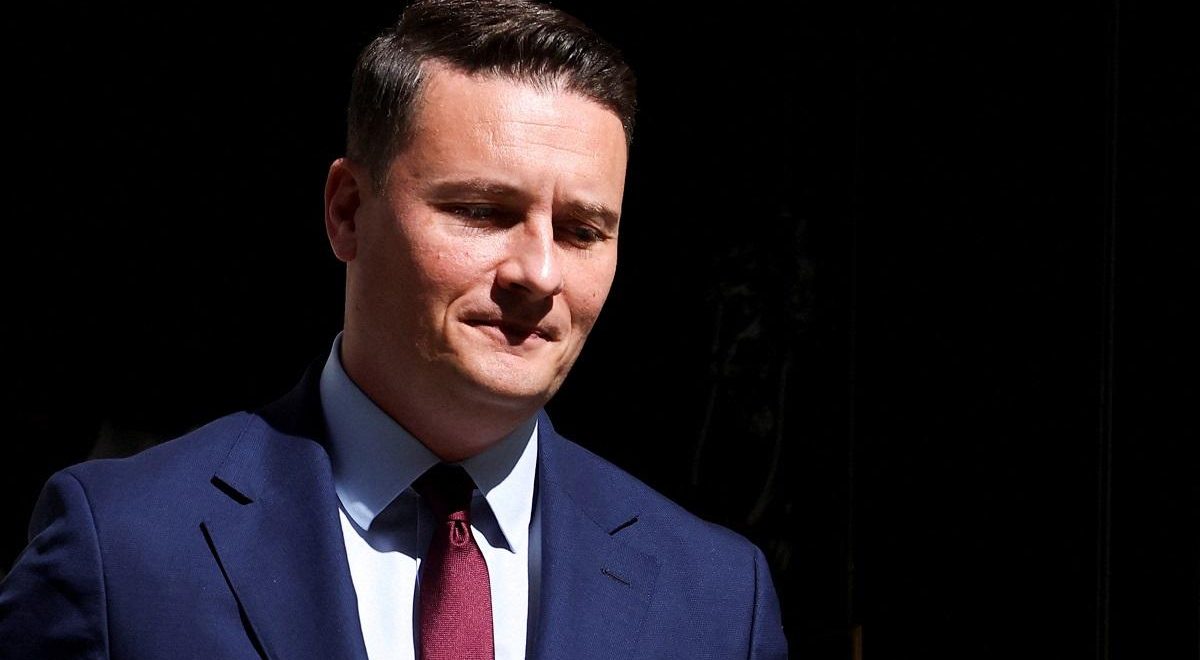
Nearly a quarter of Labour lawmakers have publicly called for Starmer to resign or set a timetable for his departure. The calls for his resignation intensified after Health Secretary Wes Streeting resigned on May 14, urging a leadership contest and accusing Starmer of political drift [2][3].
Despite the pressure, Starmer has refused to step down, stating his intention to continue governing. He noted that no formal leadership challenge has been initiated [4]. However, the political instability has led to economic repercussions, including increased borrowing costs and a weakened pound. Business leaders have warned that the leadership turmoil could deter investment [5].
Starmer’s leadership is also under scrutiny due to a separate controversy involving the Mandelson–Epstein affair. This incident involved his former ambassador to the U.S., who failed security vetting but was still appointed, prompting renewed calls for his resignation [6].
What Is Known
The Labour Party’s electoral losses have been significant, with Reform UK making substantial gains. A notable portion of Labour MPs has called for Starmer’s resignation, and a senior minister has resigned, advocating for a leadership contest. Economic impacts have been observed as a result of the political instability [1][2][3][5].
What Remains Unclear
The exact number of Labour MPs calling for Starmer’s resignation varies by report, and no formal leadership challenge has been confirmed. The full implications of the Mandelson–Epstein affair on Starmer’s leadership remain uncertain [4][6].
This article was generated by Bluxle's AI system based on research from multiple news sources. All facts are sourced and cited below. The AI is designed to be neutral and fact-based with no editorial opinion.

Sources & Citations
Weighted by citation frequency — sources cited more often carry greater influence.
Research Basis
Outlets in bold were actively consulted during research for this article. Others are in our standard monitoring pool.
Report an Issue
Tell us what you noticed. Our editors will review it.
✓ Report received. Thank you!