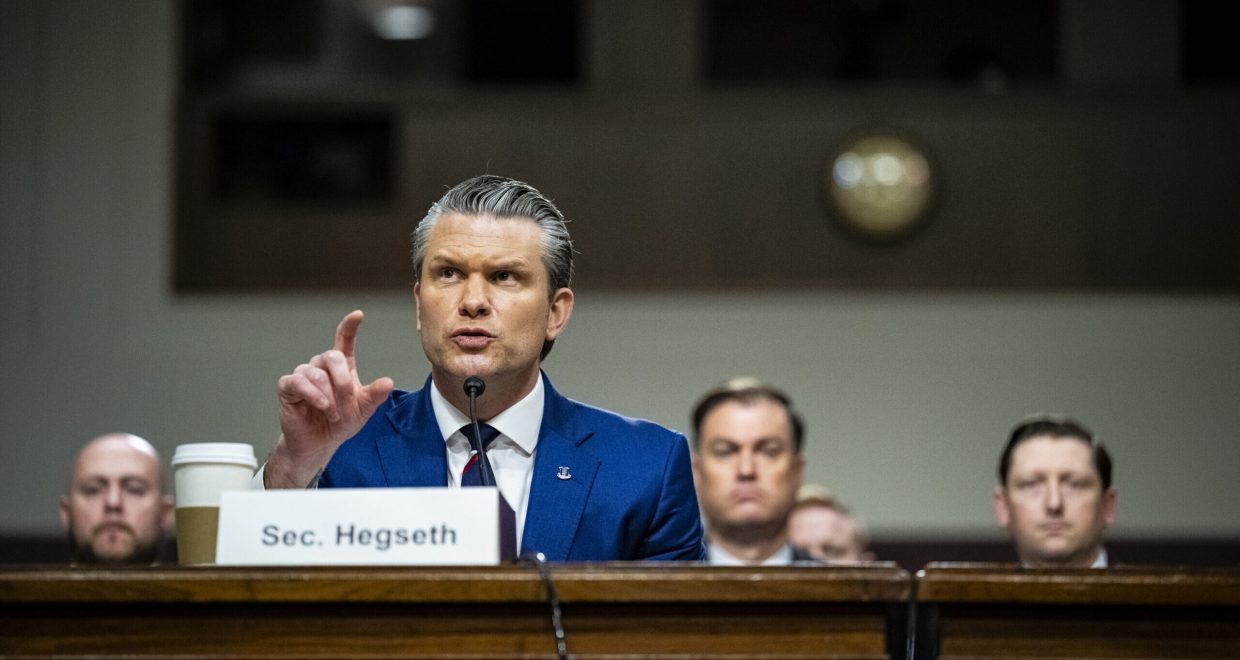
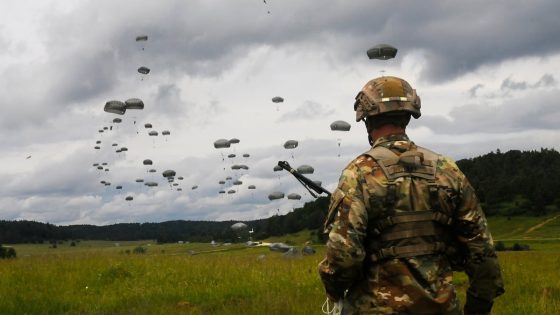
The United States will withdraw approximately 5,000 troops from Germany over the next six to twelve months, according to a Pentagon announcement. This decision follows a comprehensive review of force posture in Europe, as stated by Pentagon spokesman Sean Parnell [1][2].
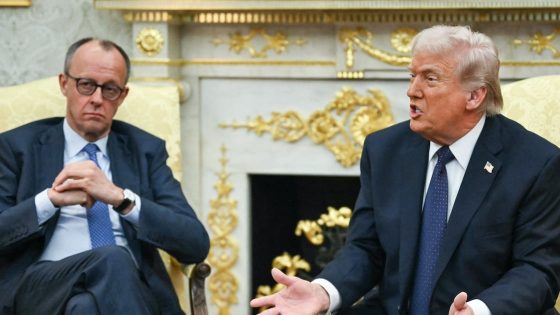
The withdrawal represents about 14% of the roughly 36,000 U.S. service members currently stationed in Germany [1][3]. The move comes amid escalating tensions between President Donald Trump and German Chancellor Friedrich Merz. The tensions were heightened after Merz commented that Iran was ‘humiliating’ the U.S., prompting Trump to threaten troop reductions [1][2].
Defense Secretary Pete Hegseth ordered the withdrawal, as confirmed by Pentagon spokesman Sean Parnell [4][5]. A brigade combat team currently in Germany will be pulled out, and a long-range fires battalion that had been planned for deployment under the Biden administration will no longer deploy [2][6].
What Is Known
The decision to withdraw troops was officially announced by the Pentagon and confirmed by multiple sources, including AP News and Reuters [1][2]. The withdrawal is set to occur over the next six to twelve months and involves a significant portion of the U.S. military presence in Germany [1][3].
What Remains Unclear
While the withdrawal follows tensions between President Trump and Chancellor Merz, it is not confirmed by multiple sources whether the decision was a direct retaliation to Merz’s comments [2]. A senior Pentagon official described German rhetoric as ‘inappropriate and unhelpful,’ but the direct causal link to the withdrawal remains unconfirmed [6].
This article was generated by Bluxle's AI system based on research from multiple news sources. All facts are sourced and cited below. The AI is designed to be neutral and fact-based with no editorial opinion.

Sources & Citations
Weighted by citation frequency — sources cited more often carry greater influence.
Research Basis
Outlets in bold were actively consulted during research for this article. Others are in our standard monitoring pool.
Report an Issue
Tell us what you noticed. Our editors will review it.
✓ Report received. Thank you!