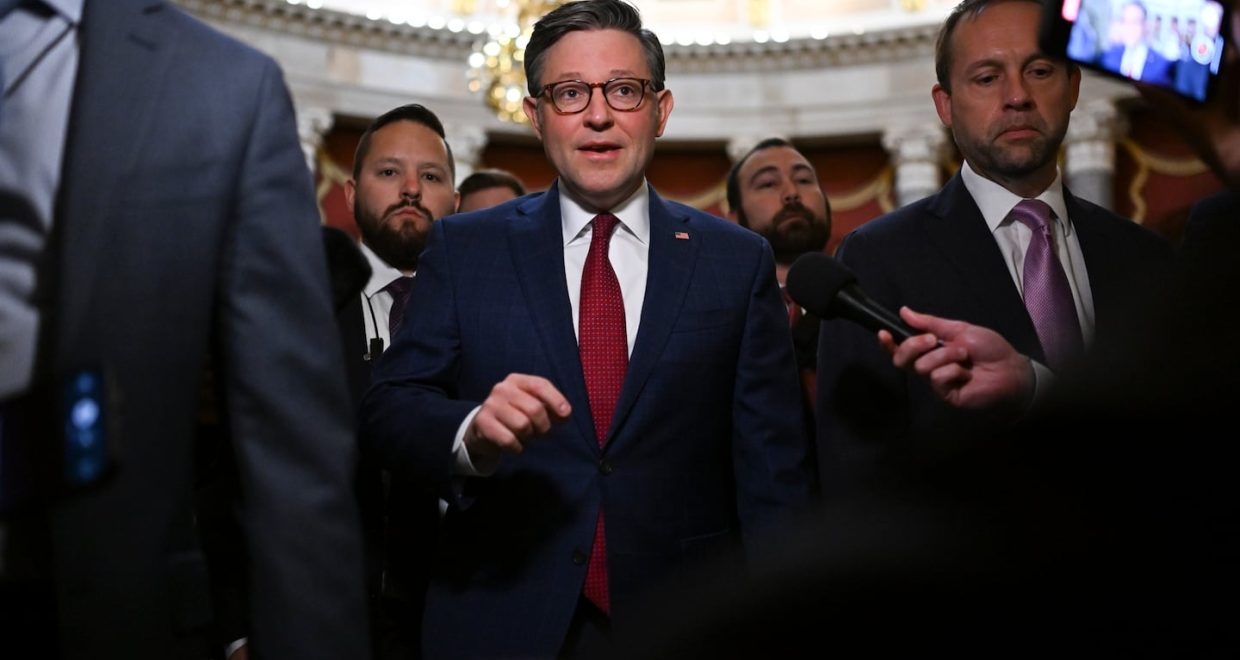
On April 29, 2026, the U.S. House of Representatives approved a three-year reauthorization of Section 702 of the Foreign Intelligence Surveillance Act (FISA), incorporating new oversight measures but excluding a warrant requirement [1][2]. The vote passed by a margin of 235 to 191, with a significant number of Democrats joining most Republicans in support [1][2].
The reauthorization now faces an uncertain path forward, requiring approval by the Senate and the signature of President Donald Trump [1][2]. Senate Majority Leader John Thune has suggested that the Senate may need to take the lead on the issue, mentioning the possibility of a 60-day extension [1][2].
Earlier, on April 17, 2026, Congress passed a short-term extension of Section 702 through April 30, following unsuccessful long-term reauthorization efforts in the House [3][4]. This extension was approved by unanimous consent in the House and passed by voice vote in the Senate [3][4].
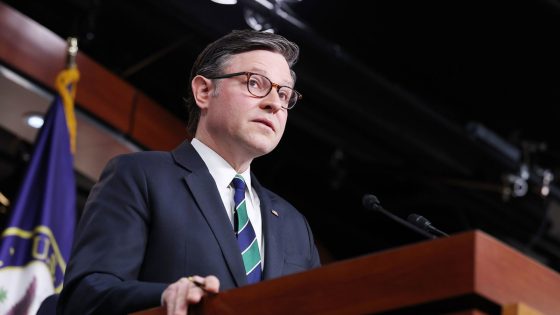
A group of approximately 20 House Republicans had previously blocked both a five-year extension and an 18-month clean reauthorization, which led to the short-term extension [5][6]. President Trump had advocated for an 18-month clean extension [5][6].
What Is Known
The House has approved a three-year reauthorization of Section 702, which includes new oversight measures but no warrant requirement [1][2]. The reauthorization passed with bipartisan support, though it still needs Senate approval and the President’s signature to become law [1][2].
What Remains Unclear
The future of the reauthorization is uncertain as it awaits Senate action and the President’s decision [1][2]. The potential for a 60-day extension, as suggested by Senate Majority Leader John Thune, adds another layer of uncertainty [1][2]. Additionally, the claim that the surveillance renewal was linked to separate legislation banning a central bank digital currency remains unconfirmed [2].
This article was generated by Bluxle's AI system based on research from multiple news sources. All facts are sourced and cited below. The AI is designed to be neutral and fact-based with no editorial opinion.

Weighted by citation frequency — sources cited more often carry greater influence.
Research Basis
This article was researched across outlets representing a range of political perspectives. Only sources whose facts are directly used appear in Sources & Citations above.
Report an Issue
Tell us what you noticed. Our editors will review it.
✓ Report received. Thank you!