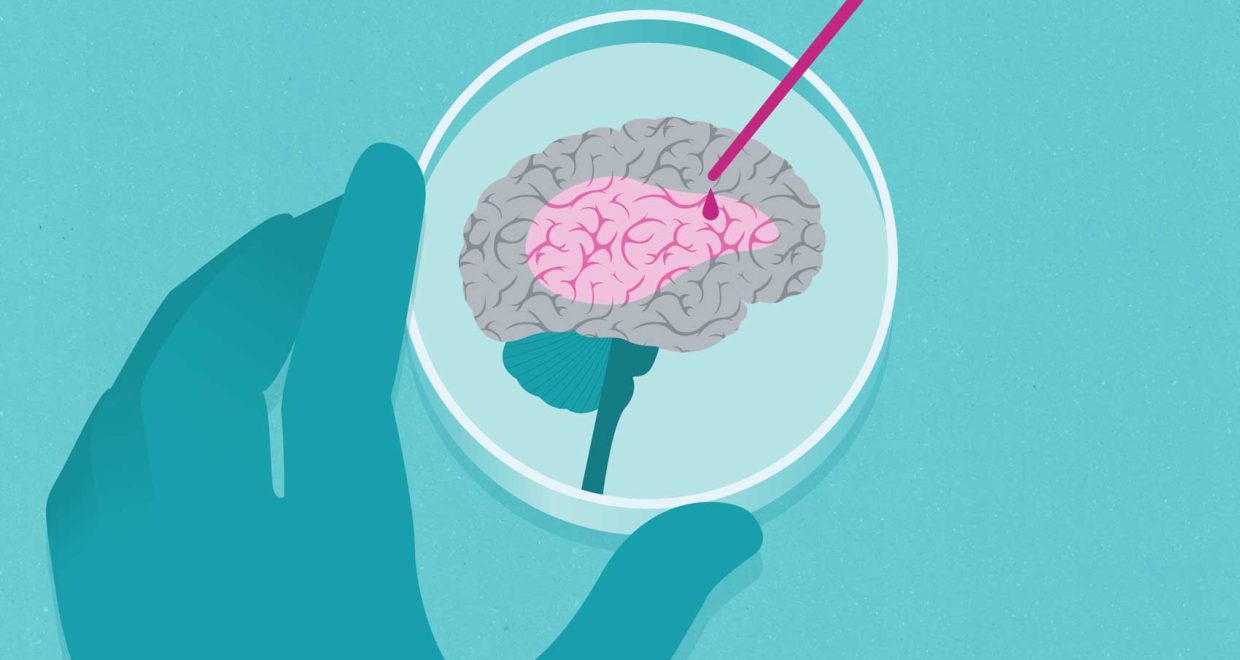
A recent study conducted by researchers at the University of California, San Francisco, and Imperial College London has found that a single high dose of psilocybin, a psychedelic compound found in magic mushrooms, can produce measurable anatomical changes in the brain of healthy, psychedelic-naive individuals one month after administration [1][2].
The study involved 28 volunteers who had never previously taken psychedelics. Participants received a 25 mg dose of psilocybin, and their brain activity was monitored using diffusion tensor imaging (DTI) and electroencephalography (EEG) [2][3].
Results showed decreased axial diffusivity in prefrontal-subcortical tracts, indicating anatomical changes in the brain one month after the dose [3][2]. During the acute phase, EEG revealed increased brain signal entropy, a measure of the diversity of neural activity, which was associated with improved psychological well-being reported by participants one month later [3][2].

Participants reported increased psychological insight and enhanced well-being following the psilocybin dose, effects that were not observed in those who received a 1 mg placebo dose [1][2].
What Is Known
The study confirms that a single high dose of psilocybin can lead to anatomical changes in the brain, as well as psychological benefits, in individuals who have not previously used psychedelics. These effects were exclusive to the 25 mg dose, with no changes observed in the placebo group [2][3].
What Remains Unclear
While the study demonstrates anatomical and psychological effects of psilocybin, it remains unconfirmed whether these changes can explain the therapeutic effects of psilocybin on mental health conditions such as anxiety, depression, and addiction. This aspect was noted in The Guardian but is not directly addressed in the primary research sources [1].
This article was generated by Bluxle's AI system based on research from multiple news sources. All facts are sourced and cited below. The AI is designed to be neutral and fact-based with no editorial opinion.

Sources & Citations
Weighted by citation frequency — sources cited more often carry greater influence.
Research Basis
This article was researched across outlets representing a range of political perspectives. Only sources whose facts are directly used appear in Sources & Citations above.
Report an Issue
Tell us what you noticed. Our editors will review it.
✓ Report received. Thank you!