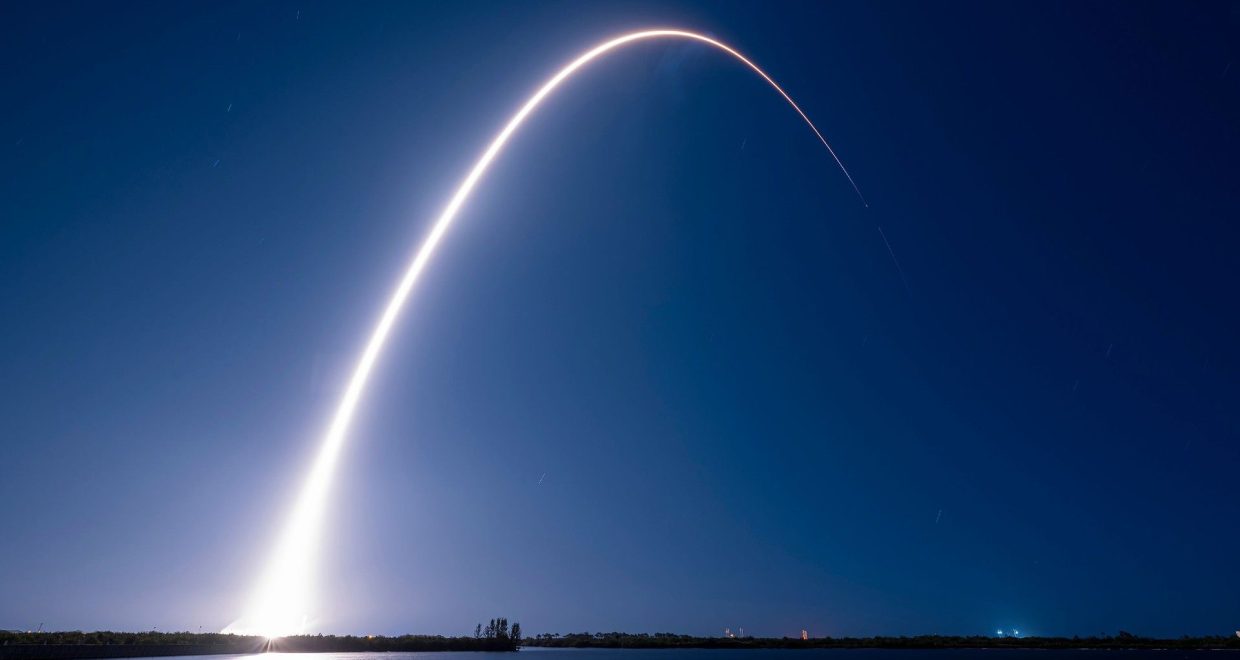
A spent upper stage of a SpaceX Falcon 9 rocket, catalogued as 2025-010D, is on a collision course with the Moon, with impact expected on August 5, 2026, near Einstein Crater on the lunar near side [1][2]. The event has been confirmed by multiple independent sources and is drawing scientific interest due to its potential to provide data on artificial lunar impacts [1].
The rocket stage was launched in January 2025, carrying two lunar landers: Firefly’s Blue Ghost and Japan’s Hakuto-R Mission 2. After completing its mission, the stage ran out of fuel and has since been adrift in Earth-Moon space [1]. The object measures approximately 12 meters in length, 4 meters in width, and weighs around 4,000 kg. It is expected to strike the Moon at a speed of roughly 8,700 km/h (about 5,400 mph), creating a crater estimated to be 20–30 meters wide and launching a dust plume several kilometers high [1].
Scientists are preparing to observe the impact, including the flash and ejecta plume, as these phenomena may be visible from Earth. The observations could provide valuable scientific data on the effects of artificial impacts on the lunar surface [1].
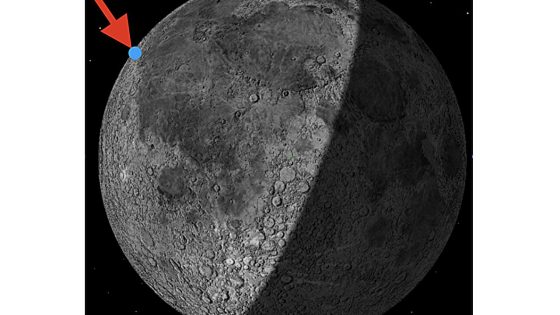
Experts have stated that the impact poses no danger to humans or lunar assets. However, the event highlights ongoing concerns about space debris management and the need for effective disposal strategies [2].
What Is Known
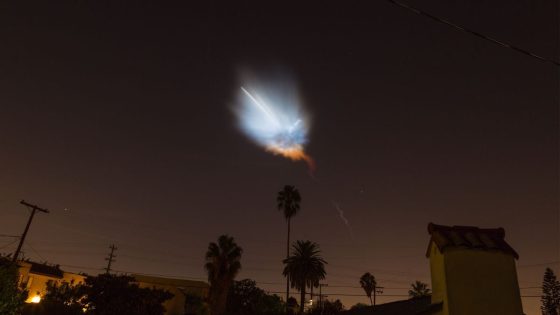
The collision is expected to occur near Einstein Crater on the lunar near side. The impact is predicted to happen at approximately 06:44 UTC, though some sources report a slightly different time of 06:35 UTC [3]. The event is confirmed by multiple reputable sources, and preparations are underway to observe the impact [1][2].
What Remains Unclear
The exact time of impact remains slightly uncertain, with minor discrepancies among sources [3]. Additionally, while the scientific community anticipates valuable data from the event, the precise nature and extent of the information that will be gathered are yet to be determined.
This article was generated by Bluxle's AI system based on research from multiple news sources. All facts are sourced and cited below. The AI is designed to be neutral and fact-based with no editorial opinion.

Sources & Citations
Weighted by citation frequency — sources cited more often carry greater influence.
Research Basis
Outlets in bold were actively consulted during research for this article. Others are in our standard monitoring pool.
Report an Issue
Tell us what you noticed. Our editors will review it.
✓ Report received. Thank you!