
Harvard University’s Canvas site became inaccessible on May 7, 2026, following a cybersecurity incident involving Instructure, the company behind the Canvas Learning Management System (LMS). The breach, claimed by the hacking group ShinyHunters, affected user identifying information from nearly 9,000 schools and approximately 275 million users [1][2].
Instructure confirmed the breach, stating that names, email addresses, student ID numbers, and private messages were compromised. However, there is no evidence that passwords, dates of birth, government identifiers, or financial information were accessed [1].
On the afternoon of May 7, Canvas login pages at multiple institutions, including Harvard, were defaced with a message from ShinyHunters. The group demanded a ransom and threatened to leak data by May 12 if their demands were not met [3].
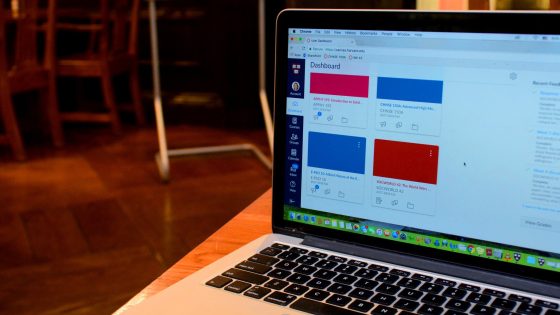
Harvard’s Canvas site initially redirected users to the message from ShinyHunters. By approximately 4:20 p.m., the site displayed a “scheduled maintenance” notice, and by 4:30 p.m., both the web and mobile platforms were inaccessible [3].
Tim Bailey, a spokesperson for Harvard University Information Technology (HUIT), confirmed that the platform was unavailable due to a cyber incident and stated that HUIT was actively investigating the situation [3].
What Is Known
The breach affected a significant number of users and institutions, with ShinyHunters claiming responsibility. Instructure has acknowledged the incident and is working to address the security concerns [1][2].
What Remains Unclear
The specific data tied to Harvard affiliates that may have been compromised is not yet clear. Additionally, ShinyHunters’ claim that Instructure’s Salesforce instance was breached has not been confirmed by the company [3][2].
This article was generated by Bluxle's AI system based on research from multiple news sources. All facts are sourced and cited below. The AI is designed to be neutral and fact-based with no editorial opinion.

Sources & Citations
Weighted by citation frequency — sources cited more often carry greater influence.
Research Basis
Outlets in bold were actively consulted during research for this article. Others are in our standard monitoring pool.
Report an Issue
Tell us what you noticed. Our editors will review it.
✓ Report received. Thank you!