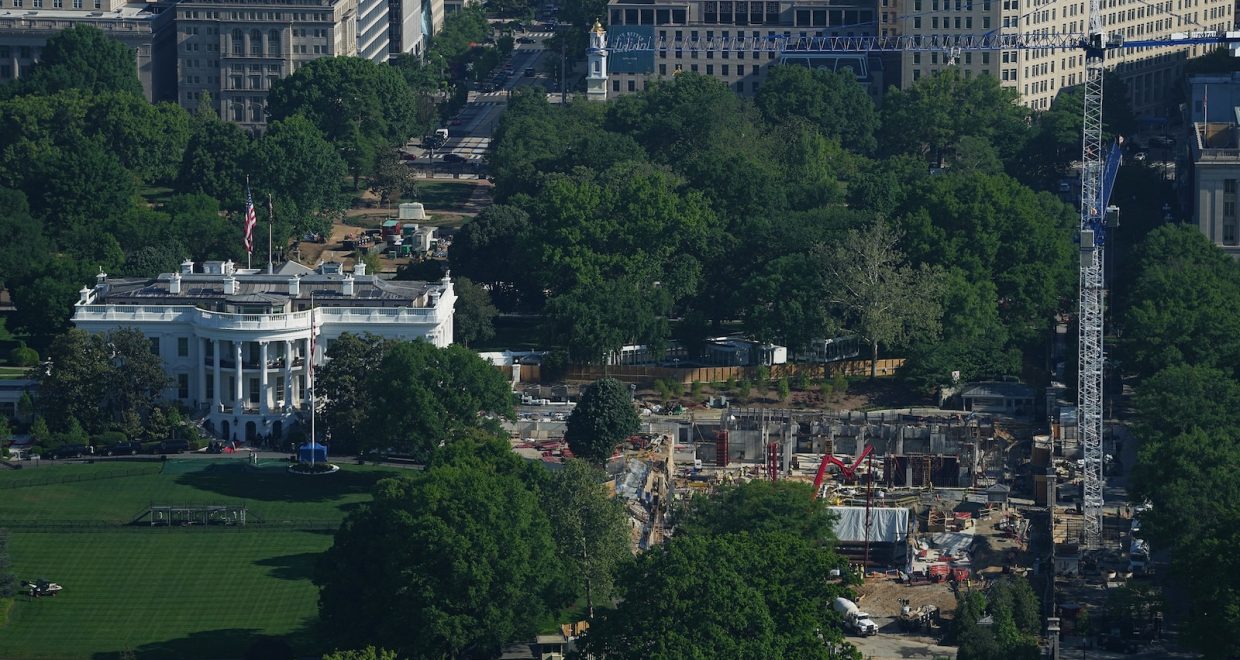
Senate Republicans have introduced a budget bill that includes $1 billion earmarked for security enhancements at the White House, specifically linked to President Donald Trump’s proposed ballroom project. The funding is designated for the U.S. Secret Service to implement “security adjustments and upgrades,” which encompass both above-ground and below-ground features [1][2].
This allocation is part of a broader reconciliation package totaling approximately $72 billion, aimed at bolstering immigration enforcement agencies such as ICE and Border Patrol [1][2]. The legislation explicitly states that the $1 billion is restricted to security-related improvements and cannot be used for non-security elements of the East Wing Modernization Project, which includes the ballroom’s construction [1][3].
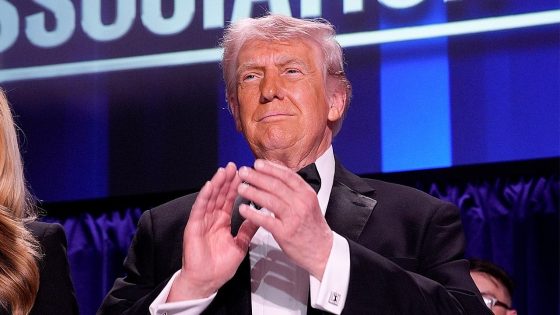
White House spokesperson Davis Ingle expressed approval of the funding, noting that it would provide the Secret Service with necessary resources to enhance the security of the White House complex [1][3]. This proposal follows a security breach at the White House Correspondents’ Association dinner on April 25, where a man allegedly attempted to assassinate President Trump, leading to increased calls for enhanced security measures [1][4].
There is some disagreement regarding the scope of the funding. While Senate Republicans assert that the $1 billion is strictly for security enhancements, some White House officials argue that the legislation authorizes the entire ballroom project, including construction [3].
What Is Known: The budget bill includes $1 billion for security upgrades at the White House, linked to President Trump’s ballroom project, and is part of a larger $72 billion package focused on immigration enforcement [1][2]. The funding is restricted to security improvements and cannot be used for the ballroom construction itself [1][3].
What Remains Unclear: There is a dispute over whether the $1 billion covers only security enhancements or the entire ballroom project, including construction [3]. Additionally, some reports suggest the broader package may total $70 billion rather than $72 billion [4].
This article was generated by Bluxle's AI system based on research from multiple news sources. All facts are sourced and cited below. The AI is designed to be neutral and fact-based with no editorial opinion.

Sources & Citations
Weighted by citation frequency — sources cited more often carry greater influence.
Research Basis
Outlets in bold were actively consulted during research for this article. Others are in our standard monitoring pool.
Report an Issue
Tell us what you noticed. Our editors will review it.
✓ Report received. Thank you!