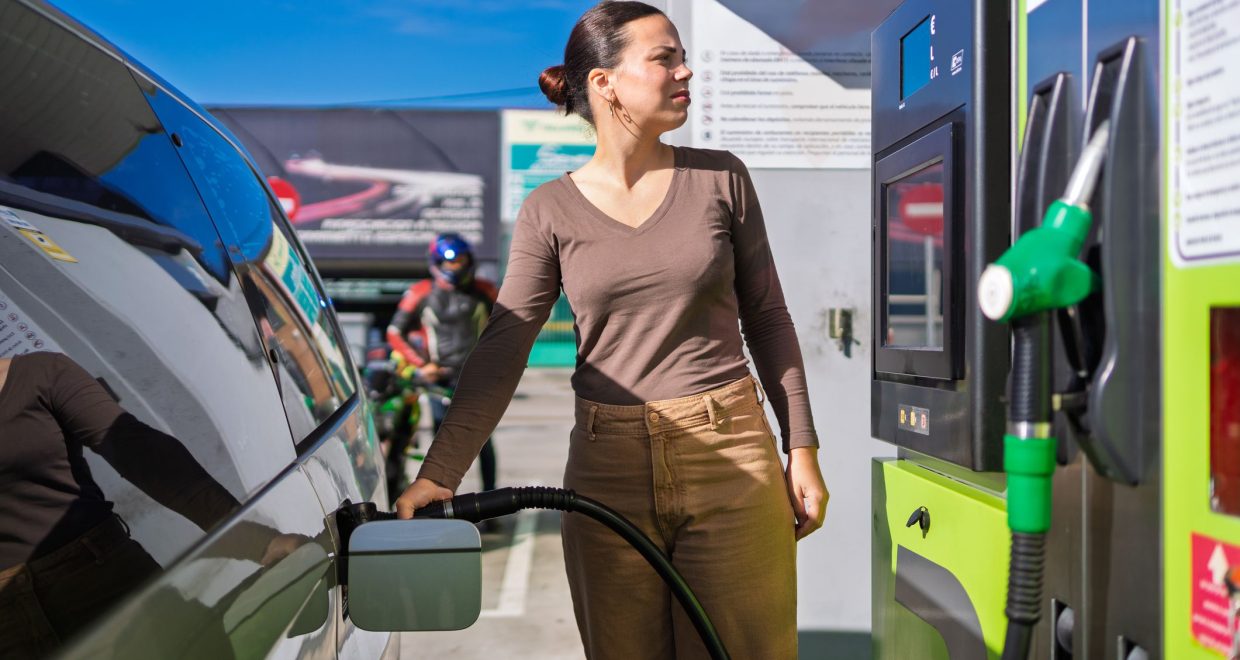
The recent surge in gas prices has been attributed to a combination of global and domestic factors, with the ongoing war with Iran playing a significant role. The conflict has led to the effective closure of the Strait of Hormuz, a critical chokepoint through which one-fifth of the world’s crude oil passes, causing a major disruption in global oil supply [1][2][3].
As a result, crude oil prices have spiked, reaching as high as $112 per barrel in early April, which has directly impacted gasoline prices in the United States [1]. The national average for gasoline has risen from approximately $2.98 to over $4.50 per gallon, marking an increase of more than 50% since the onset of the conflict [1][3][4].
Gas station owners set prices at the pump, but these are heavily influenced by crude oil costs, refining margins, distribution expenses, and taxes [3][5][6]. Economists have noted a ‘rocket‑and‑feathers’ pattern in pricing, where gasoline prices rise quickly with crude oil price increases but fall more slowly when crude prices decline [3].
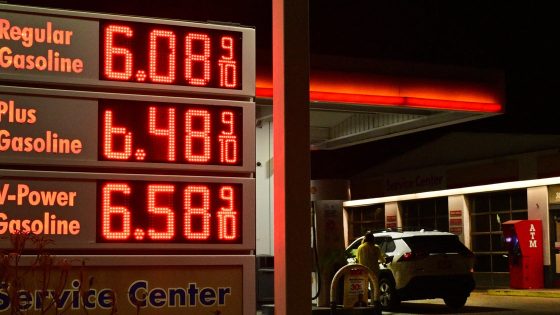
In California, gas prices are among the highest in the nation due to additional factors such as higher taxes, environmental regulations, unique fuel blends, and limited refinery capacity [7][8][9]. Governor Gavin Newsom has pointed to Chevron as a contributor to high prices, although there is no independent verification of price-gouging by the company [8].
Public opinion polls indicate that a significant portion of Americans hold President Donald Trump and his administration responsible for the high gas prices, with 48% of respondents attributing the situation to his policies [10][11][12]. This sentiment is shared across political lines, with majorities of Republicans, independents, and Democrats expressing similar views [11].
What Is Known
The war with Iran and the closure of the Strait of Hormuz have significantly disrupted global oil supply, leading to increased crude oil and gasoline prices [1][2][3]. Gasoline prices in the U.S. have surged more than 50% since the conflict began [1][3][4].
What Remains Unclear
While Governor Newsom has accused Chevron of price-gouging, there is no independent verification to support this claim [8]. Additionally, the extent to which gas station owners’ pricing strategies contribute to slow declines in pump prices remains debated among economists [3].
This article was generated by Bluxle's AI system based on research from multiple news sources. All facts are sourced and cited below. The AI is designed to be neutral and fact-based with no editorial opinion.

Sources & Citations
Weighted by citation frequency — sources cited more often carry greater influence.
Research Basis
Outlets in bold were actively consulted during research for this article. Others are in our standard monitoring pool.
Report an Issue
Tell us what you noticed. Our editors will review it.
✓ Report received. Thank you!