Cuban President Miguel Díaz-Canel has declared that he will not step down from his position despite pressure from the United States. In an interview with NBC News’ Meet the Press, aired on April 9, 2026, Díaz-Canel emphasized that Cuban leaders are elected by the Cuban people, not by the U.S. government [1][2].
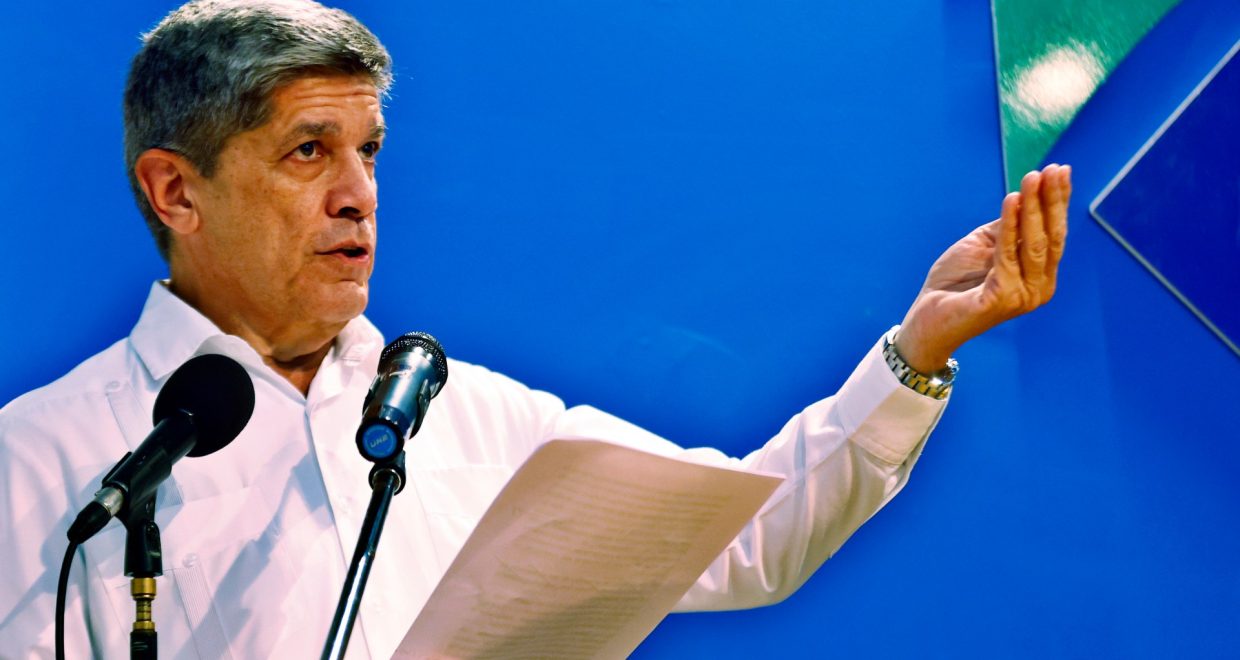
Deputy Foreign Minister Carlos Fernández de Cossío reinforced this stance on March 20, 2026, stating that Cuba’s political system and the presidency are not negotiable with the United States [3][4].
In a statement on February 5, 2026, Díaz-Canel expressed Cuba’s willingness to engage in dialogue with the U.S., but only without pressure or preconditions, and from a position of equality and respect for sovereignty [5][6].
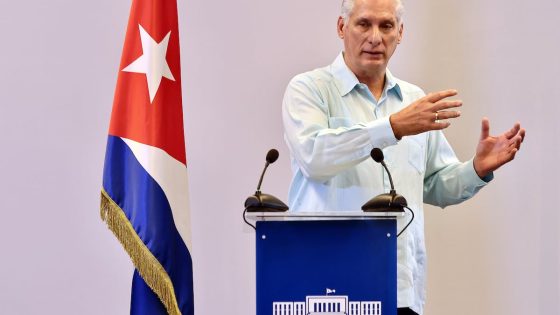
On March 18, 2026, Díaz-Canel warned that any external aggressor would face “impregnable resistance” from Cuba, responding to perceived threats from the U.S. [7][8].
What Is Known
Díaz-Canel’s statements underscore Cuba’s firm stance on maintaining its political sovereignty and leadership. The Cuban government has consistently rejected U.S. pressure to alter its political system or leadership. Díaz-Canel’s comments come amid ongoing tensions between the two countries [1][3][5].
What Remains Unclear
It remains uncertain how the U.S. will respond to Cuba’s firm stance, and whether diplomatic relations will improve or deteriorate further. Additionally, reports suggesting U.S. officials have demanded Díaz-Canel’s removal as part of broader negotiations have not been independently corroborated [9].
This article was generated by Bluxle's AI system based on research from multiple news sources. All facts are sourced and cited below. The AI is designed to be neutral and fact-based with no editorial opinion.
Sources & Citations
Weighted by citation frequency — sources cited more often carry greater influence.
Research Basis
Outlets in bold were actively consulted during research for this article. Others are in our standard monitoring pool.
Report an Issue
Tell us what you noticed. Our editors will review it.
✓ Report received. Thank you!